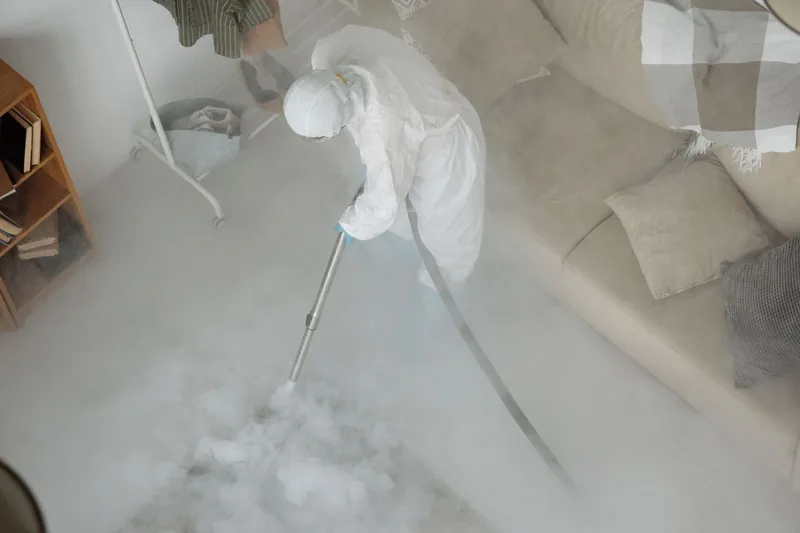
Biohazard Decontamination
After exposure to infectious or hazardous material, the air, room and surfaces are fully decontaminated.
See biohazard decontaminationHave blood, bodily fluids and infectious materials cleared from a home, workplace or vehicle. Cleanup includes containing the affected space, removing contamination, disinfecting it and taking the waste to an appropriate disposal facility.
Biohazard cleanup means carefully controlling and removing blood, bodily fluids or other matter that could contain harmful microorganisms, then cleaning and disinfecting the affected surfaces.
Biohazards may follow an injury or death, a crime scene, backed-up sewage, an infectious illness or extreme hoarding. They can occur outdoors or inside a vehicle, hotel, business, apartment or house. The aim is to control the surrounding space, locate all contamination, discard what cannot be cleaned and disinfect everything suitable to remain.
Unlike routine house cleaning, biohazard cleaning uses trained technicians, personal protective equipment and a controlled work area. Products are matched to the contamination, and every EPA-registered disinfectant is given its full labeled contact time. Contaminated waste does not belong loose in household trash. It is packaged, labeled and moved as state rules require.
The plan tells you what was affected, which possessions can stay, what must come out and the steps suggested for cleanup.
Photos, the work scope, invoices and available disposal records can be organized for your insurance claim and property file.
Your circumstances are treated privately throughout cleanup. To reduce attention around your property, crews use unmarked vehicles and keep the work area contained.
You can help evaluate personal property if conditions permit. Items that matter to you are sorted for cleaning, expert care or return when safe.
Biohazard cleanup services are appropriate when ordinary cleaning could expose you to bloodborne pathogens, infectious material or contaminated waste. Common situations include:
The site must be released before crime scene cleaning may start. It may include odor treatment, waste disposal, surface disinfection, blood cleanup and fingerprint powder removal.
Category 3 black water is present in a sewage backup. The work may involve extracting water, discarding saturated porous material, cleaning, drying and disinfecting.
A targeted cleaning plan can cover high-touch surfaces, shared rooms and items linked to an illness exposure, using a disinfectant suited to the organism and surface.
Death cleanup may address bodily fluids, damaged material, lingering smells and belongings remaining in the room once the medical examiner or law enforcement releases the property.
Prevent anyone from touching the biohazard, and stop contamination from traveling beyond the affected space. As you arrange professional cleanup, take the following steps:
Call (888) 351-0904Published guides show a wide range because biohazard cleanup may involve one hard surface or several rooms with absorbed fluids. Fixr lists a typical national range of $3,000 to $5,000 and a full published span of $1,500 to $25,000. Yelp Costs lists a residential average range of $1,800 to $4,500. The scope can be assessed only after the affected materials and disposal needs are known.
The figures shown are national ranges from published cost guides and are not based on an on-site visit. After an on-site assessment, the price for your property is determined and shared with you before cleanup begins.
Ask about cost: (888) 351-0904Biohazard cleanup may qualify for insurance coverage when its cause is covered by your policy. The event itself, along with your exclusions, deductible and limits, affects coverage.
Victims of violent crime can ask the North Carolina Department of Public Safety's Office of Victim Compensation Services about crime scene cleanup, which the program lists among accepted expenses. Insurance is usually checked first.
Notify the insurance company of the event and ask about coverage for cleanup, damaged building components, personal property and restoration. Save your claim number along with the adjuster's contact information.
Find out what documentation your insurance company requires. The adjuster may use photographs, invoices, waste records and a clear scope of work when assessing your claim.
The cause and place of the incident, local rules and any lease may affect responsibility. Property owners and tenants should notify their insurers and document the condition before items move.
Planning begins with what the contaminant is, which materials came in contact with it and where it could have traveled. The steps control its spread as the space is prepared for safe use again.
Cleanup technicians inspect the affected and surrounding areas, identify porous and non-porous materials, document conditions and explain the proposed scope to you.
Barriers divide the cleanup area from clean parts of the property. Personal protective equipment is selected for the hazard, with air controls used when particles or smells could move beyond the work area.
Carpet, pad, drywall, insulation, mattresses or unfinished wood that absorbed contamination may be cut out and placed in sealed containers.
The surface is cleared of visible soil before disinfectant is applied, allowing the product to make contact. Cleaning techniques and tools are matched to the surface finish.
An EPA-registered disinfectant is applied to cleaned areas, which stay wet for all of the labeled contact time.
Air treatment follows removal of the material causing the problem. HEPA air scrubbers and other odor methods may be used based on the room, the remaining materials and occupancy.
The correct disposal route determines how waste is labeled and contained. Records can document what left the property and where it was taken.
The work area is checked after cleaning. The final explanation covers completed cleaning, removed items and possible restoration that has yet to be done.
Phone any hour. A biohazard cleanup specialist answers, explains the steps and agrees a start time with you.
A fast wipe may not make biohazard contamination safe. You could encounter infectious material, hidden spread below the surface or objects capable of causing punctures.
Needles, broken glass and sharp metal can puncture a bag or glove. Contaminated waste needs the right container and disposal route for the material involved.
Blood can potentially contain HIV, hepatitis C or hepatitis B. The CDC says hepatitis B can survive on surfaces for at least seven days, so dried blood still calls for careful cleaning and disinfection.
A person may find cleaning after death, major injury or suicide profoundly upsetting. While workers using protective equipment finish cleaning, you can avoid seeing the scene.
Can you clean it yourself? A very small spill on a sealed, non-porous surface may be cleaned with disposable gloves and an EPA-registered disinfectant used for its full label contact time. You should not clean when you cannot identify the entire affected area, sharp objects are present, or bodily fluid reached drywall, furniture, carpeting or wood.
Non-porous materials can often stay when every contaminated surface is accessible. Porous materials are removed when fluids soaked too deeply for full cleaning and disinfection.
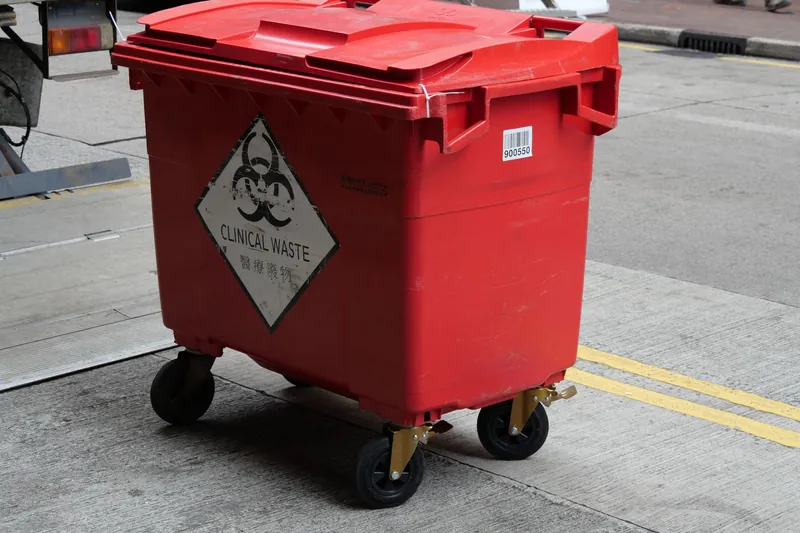
The OSHA Bloodborne Pathogens Standard, 29 CFR 1910.1030, covers training, protective equipment, exposure control and associated work practices where contact with blood is possible.
Only a disinfectant appropriate for the surface and organism should be used. Proper use includes every direction on the label, such as pre-cleaning, dilution, protective steps and total surface contact time.
North Carolina treats soaked materials from a biohazard scene as medical waste. Rules from the state Department of Environmental Quality's Solid Waste Section control how it is packaged, stored, transported and treated, so it cannot go in household trash.
North Carolina uses a statewide medical examiner system run by the Office of the Chief Medical Examiner, with county medical examiners appointed in each county. Cleanup starts after police or the medical examiner release the scene.
How long biohazard cleaning takes depends on the affected area's extent, the materials and whether contamination stayed on top or went underneath. A minor hard-surface job might be completed during one work visit. Work involving multiple rooms, structural removal or lasting odor can take several visits, with restoration afterward.
The full biohazard cleanup guide covers what is cleaned or removed, odor and air quality work, and the rules that apply in North Carolina and Johnston County.
Read the full biohazard cleanup guideLocal population patterns, housing and site access may affect how containment and cleanup are planned.
At 13.1% renter occupancy, most housing is owner occupied, which can reduce the number of parties involved in cleanup authorization.
In housing built around 1997, selective removal can expose affected layers without disturbing finishes outside the cleanup boundary.
Although the share is 28.2%, seniors living alone can still face delayed discovery after an illness, injury, or death.
Because 81.5% of local housing is single-family, owners often can make direct decisions about removing affected structural materials.
You can ask about cleanup in nearby communities and ZIP codes during the call.
After exposure to infectious or hazardous material, the air, room and surfaces are fully decontaminated.
See biohazard decontamination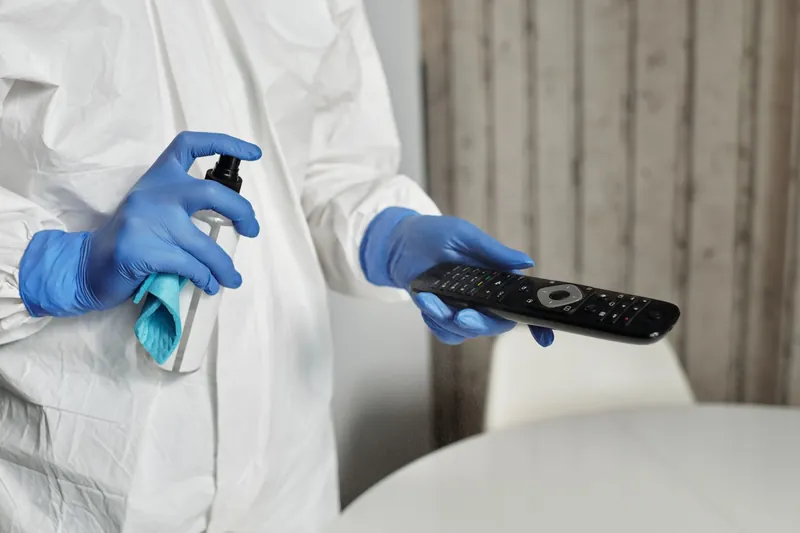
Biological remediation removes contamination so the space can be safely used again.
See biohazard remediation
Blood cleanup clears blood from furniture, walls, hard floors and carpet, followed by safe disposal.
See blood cleanup
When a death remains undiscovered for days, cleanup addresses decomposition and controls odors.
See unattended death cleanup
Trauma scene cleanup after accidents, injuries and violent events.
See trauma scene cleanup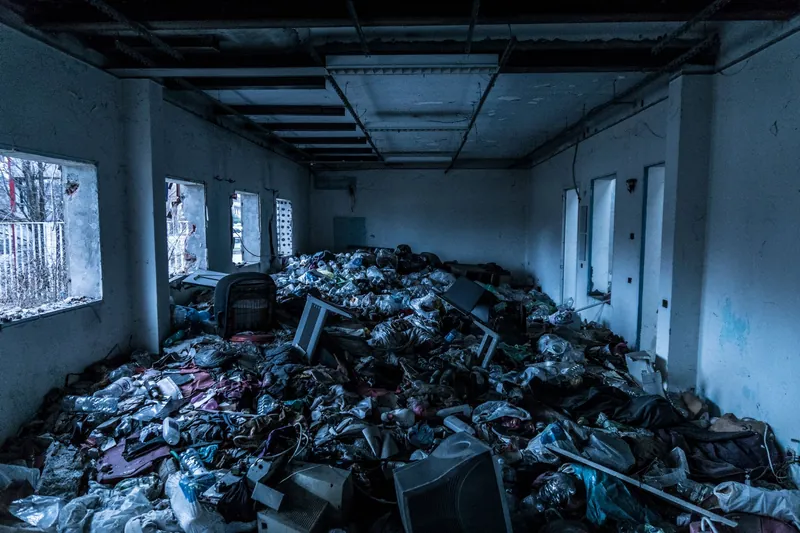
Hoarding cleanup with respectful sorting, removal and deep cleaning.
See hoarding cleanup
Raw sewage cleanup of Category 3 black water, with disinfection and drying.
See raw sewage cleanup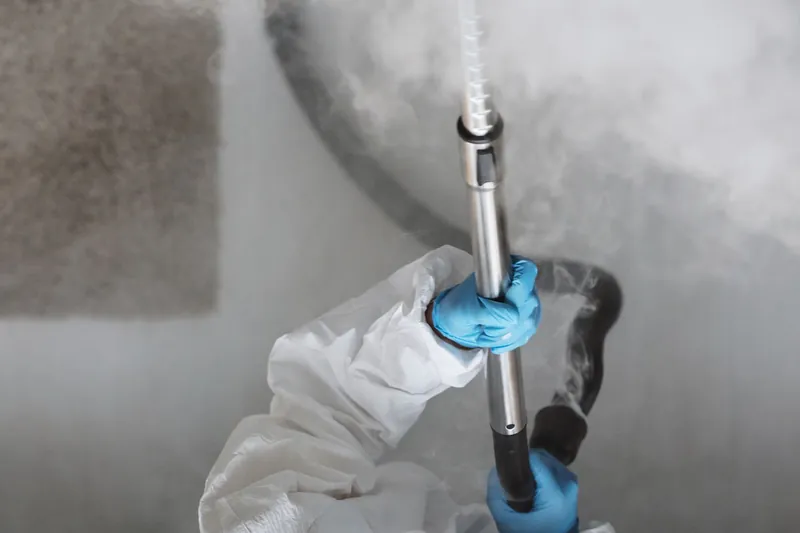
Disinfection for infectious disease uses EPA-registered products with complete coverage of surfaces.
See infectious disease disinfectionIf an undamaged non-porous surface has only a small number of fresh drops, wear single-use gloves and apply EPA-registered disinfectant according to all label directions. Do not attempt cleanup when bodily fluids reached carpet, wood, drywall or furniture, when sharps are present, or when the full edge of the affected area is unclear.
Removal of the deceased is completed by the funeral home or medical examiner, not cleanup of the affected room. After authorities release the scene, the property owner, family, landlord or another responsible party arranges death cleanup. By using a biohazard cleaning company, loved ones can stay outside the room while odor, disposal, bodily fluids and contaminated materials are addressed.
Yes, removal of the material causing the smell is the essential first step. Cleanup may require taking out contaminated carpet, pad, drywall, furniture or other porous material before treating the air. Once surfaces are cleaned and disinfected, remaining odor may be treated with HEPA air scrubbers or another suitable method, while nearby vents are inspected as needed.
How long cleanup takes is affected by surface materials, room count and the extent of fluid travel. A minor cleanup involving only a hard surface might take a single visit. More than one visit may be needed when cleanup covers multiple rooms, drywall, carpet, subflooring or a lingering odor. After remediation ends, replacement of removed finishes may proceed on its own timeline.
Sealed hard furniture may be cleaned and disinfected when every affected surface is accessible. Soft furniture might require removal after blood or bodily fluids reach internal padding or the structural frame. When conditions permit, you help assess important possessions so items suitable for washing or restoration are kept apart from contaminated material.
The type of material, size of the area and contamination depth cause wide variation in published figures. A typical nationwide range reported by Fixr is $3,000 to $5,000. An average residential range from Yelp Costs is $1,800 to $4,500. An on-site evaluation determines the porous items affected, amount of waste and extent of odor treatment.
Respectful, discreet biohazard cleanup is available 24 hours a day, and crews arrive in unmarked vehicles.