Fentanyl Decontamination
Fentanyl decontamination of surfaces, vehicles and rooms after exposure.
See fentanyl decontaminationGet meth residue testing, decontamination, material removal and clearance steps for a home, rental, business or vehicle in Country Club Hills. Keep people out of affected areas until the property has been assessed.
Meth lab cleanup is the testing, removal and cleaning needed when methamphetamine residue or drug-production chemicals have contaminated a home, rental, business or vehicle.
A property does not need to look dirty to have residue. Meth smoke can settle on walls, ceilings, floors, cabinets, appliances and personal property. A production site can also contain acids, solvents, salts, fuels and unknown mixtures. Those hazardous materials call for a careful assessment before anyone moves containers or starts ordinary cleaning.
Local property rules and test results set the course for the biohazard remediation work. With protective equipment in place, cleanup technicians separate contaminated areas from clean ones. They take out materials that resist cleaning and wash what remains. When necessary, they also address the air system. Afterward, samples establish whether each tested area reaches the relevant clearance level.
Controlled work zones and clean access paths limit dust, tools and contaminated materials from moving into the rest of your property.
The cleaning service should maintain an orderly record of photos, job scope, waste disposal and testing, helping you move forward following clearance.
Belongings are considered by material and condition, so you know what may be cleaned and what may need to be discarded.
A written plan gives you the testing basis, affected areas, cleaning methods, removal decisions and clearance steps before remediation starts.
Meth decontamination cleaning services are needed when testing or reliable property history points to residue from use or production. Every situation starts with the property history and testing results. Common situations include:
Contractors uncover suspicious containers, chemical staining or a past notice and stop work before dust spreads to clean areas.
After meth use is suspected, assess the unit or room under controlled conditions and inspect surrounding areas if evidence indicates a need.
Unseen residue from repeated smoking remains on household contents, cabinets, ceilings, floors and walls.
Residue may be present on seats, carpet, trim and ventilation surfaces inside a car, truck or recreational vehicle.
Before professional cleanup, focus on keeping people from exposure and residue from moving beyond the affected space. Take these actions:
Call (888) 351-0904Published figures from PushLeads set the typical cleanup average at $15,000 to $20,000. Its broader meth lab cleanup range begins at $5,000 and reaches $120,000 depending on the scope. Repeated smoking confined to one space is unlike chemical production affecting a whole property. Material removal, testing, local clearance requirements and work on the air system also affect the final scope.
Published national cost guides are the source for these ranges, rather than an inspection of your property. The price for your property is set after the on-site assessment, and you hear it before work starts.
Ask about cost: (888) 351-0904Whether insurance covers meth contamination varies with policy terms and the cause. A policy might exclude criminal acts, pollution, contamination or vacancy. Report the finding without delay and ask about any insurance assistance. Get a written decision on coverage before non-emergency work is authorized.
Property owners often arrange assessment and cleanup for a rental. Any attempt to recover costs from a tenant is separate from making the property safe.
Let the insurance company know what revealed the contamination. Check whether your policy covers sampling, cleanup, construction material removal and loss of use.
Keep the police release, laboratory results, photographs, the remediation scope, disposal records, invoices and clearance report together.
Law enforcement may secure evidence and then release the scene, while owners generally arrange the later environmental testing and remediation.
A meth lab cleaning process is completed in planned stages. At each point, the work should reflect the test plan, property assessment and clearance rules for that location.
Ask how cleanup technicians will assess the property history, police release, visible hazards, room layout, ventilation and possible routes of contamination before work starts.
Surface samples help identify affected areas and establish a baseline. Choose collection methods and test locations according to the protocol that applies locally.
The scope document covers final clearance procedures along with plans for contents, surface cleaning, material removal and containment.
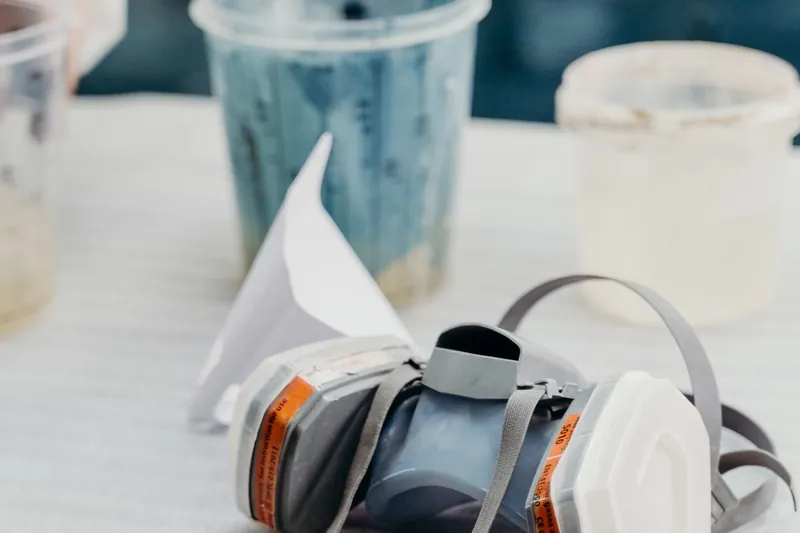
The affected workspace is contained away from clean areas. Cleanup technicians use protective gear suited to the residue, dust and chemical hazards found on site.
Carpet, pad, soft furnishings, insulation or damaged building materials may be removed and prepared for waste disposal when they cannot be cleaned to the required level.
Remaining ceilings, walls, floors, cabinets and fixtures are cleaned in a controlled order with methods chosen for each material.
Separate assessments cover portable possessions and building ventilation. Each item's condition and sampling findings guide the choice to clean, isolate or discard it.
After cleaning is complete and the area is ready for sampling, clearance tests determine whether further work is needed before reoccupation.
Phone any hour. Your meth lab cleanup specialist answers the phone, describes what happens next and works with you on a start time.
A former meth property can present serious health risks through contaminated dust, direct skin contact or chemicals left behind from production, even when no strong odor is present.
Children and animals touch floors and objects often. While you wait for cleanup and test results, keep children and animals outside the affected area to reduce contact.
Residue may land on toys, worktops, flooring, walls and other high-touch belongings. A normal-looking surface may not meet the required level for clearance.
Tearing out drywall or carpeting ahead of testing may create dust that transfers residue to tools, clothes and unaffected spaces.
Can you clean it yourself? Do not treat suspected meth contamination as a small household spill. You cannot use domestic cleaners to measure residue movement or verify that a surface passes the local clearance standard. The safer approach starts with tests and a plan specific to meth remediation.
Materials are kept only when the remediation plan allows them to be cleaned and the finished area can pass the required clearance process.
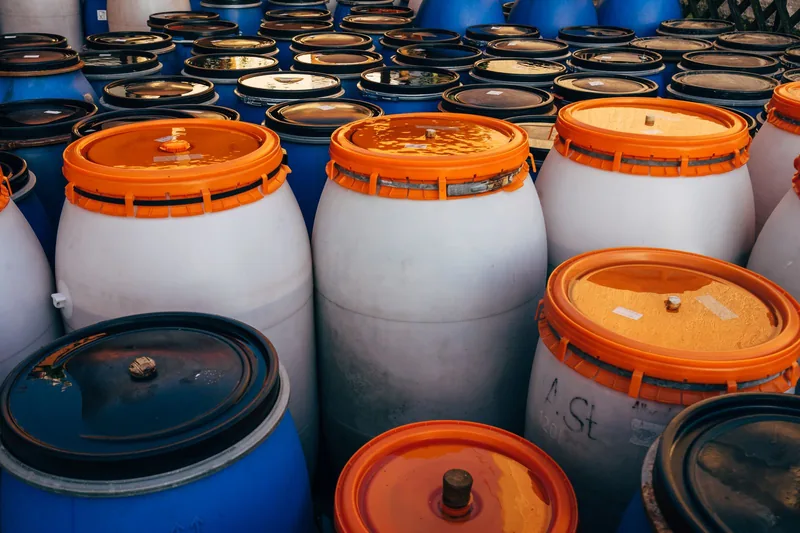
A limited-area meth lab cleanup may require several workdays, while remediation at a larger production location can last several weeks. Room count alone does not set the timing. Clearance sampling, laboratory turnaround, repeated rounds of cleaning and material removal have greater influence.
| Scene | Typical time on site |
|---|---|
| Limited residue confined to a small space | Often multiple working days and the laboratory turnaround period |
| Several rooms or HVAC involvement | Often one to several weeks |
| Former drug-making site affected by chemicals | May take several weeks and more than one clearance round |
Odor is not a reliable meth test. A sharp chemical smell can warn you to leave, but a property can have surface residue with little or no noticeable odor. Do not enter to investigate a smell or use fragrance to cover it.
Odor removal and air quality work begin with source control. Production chemicals, contaminated porous materials and settled dust must be addressed before air cleaning can help. The assessment may include the HVAC system, filters, ducts and connected rooms. Clearance decisions should rely on the required sampling, not on whether the space smells clean.
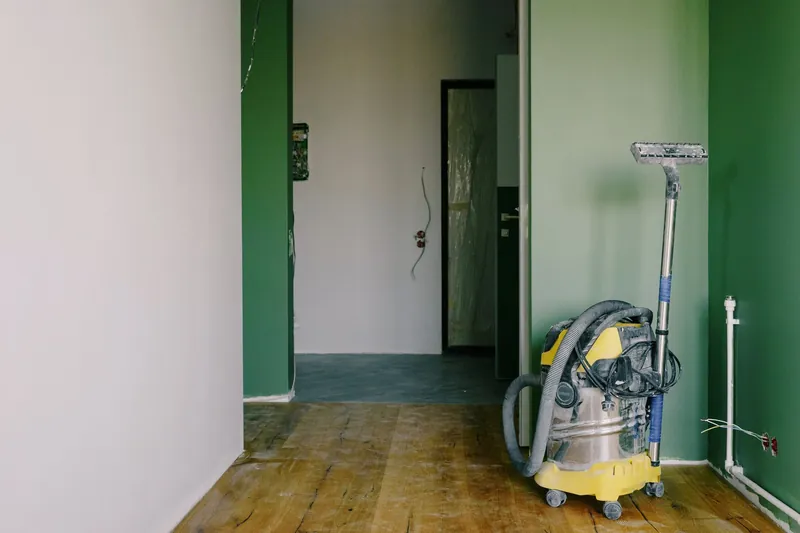
The full meth lab cleanup guide covers what is cleaned or removed, odor and air quality work, and the rules that apply in your state.
Read the full meth lab cleanup guideLocal population patterns, housing and site access may affect how containment and cleanup are planned.
If direct exposure occurs, the closest listed emergency option is Rex Hospital, about 2.5 miles away, not the cleanup site.
Country Club Hills is near Bloomsbury Park, country-club-villas, and Rock Cliff, which can matter when family members are arriving from surrounding communities.
Properties within this Raleigh neighborhood may share alleys, entries, or parking, so equipment movement should be planned around nearby residents.
Ask on the call about cleanup options for neighboring communities and ZIP codes.
Fentanyl decontamination of surfaces, vehicles and rooms after exposure.
See fentanyl decontamination
Removal of needles, pipes and drug residue from rentals and properties.
See drug paraphernalia cleanup
Grow house cleanup removes chemicals, mold and property damage left by indoor cultivation.
See marijuana grow house cleanup
Hazmat cleanup of hazardous materials with the right protective equipment.
See hazmat cleanup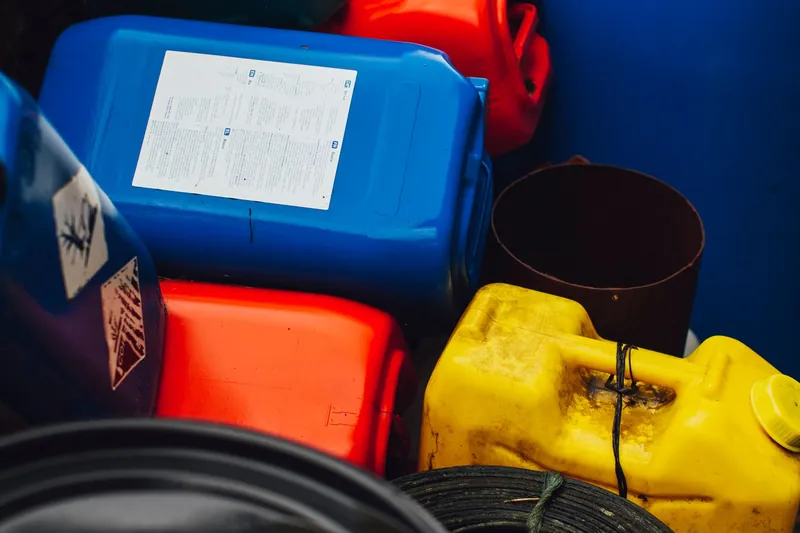
Waste cleanup removes toxic and chemical material for safe disposal.
See chemical and toxic waste cleanup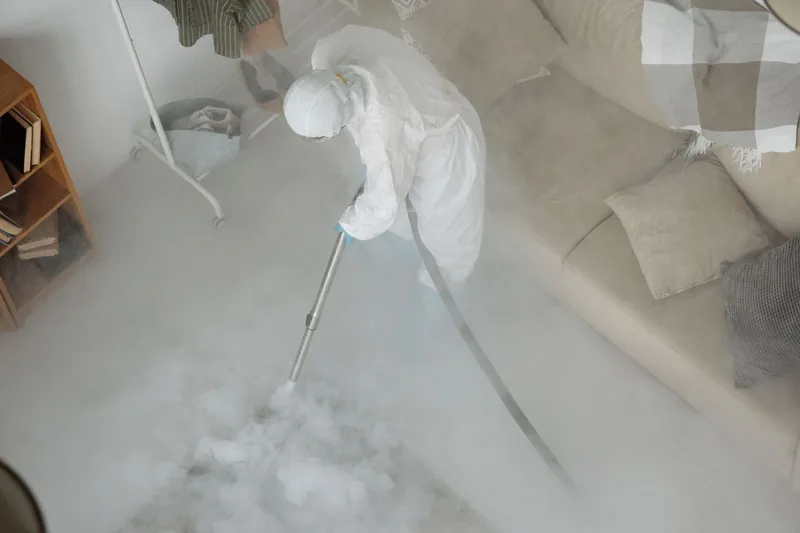
After exposure to infectious or hazardous material, the air, room and surfaces are fully decontaminated.
See biohazard decontamination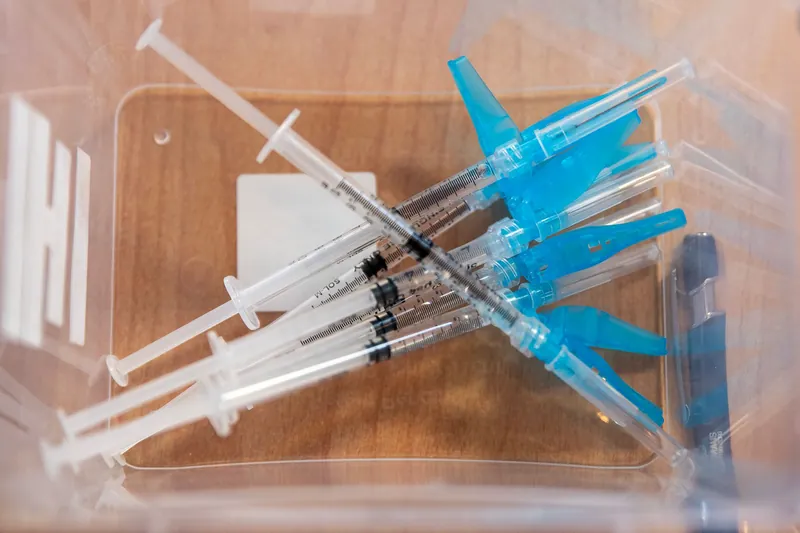
Yards, encampments, parks and rental properties receive needle and sharps cleanup.
See needle and sharps cleanup
Biohazard cleanup addresses Airbnb accommodations, hotels and other rental units.
See hotel, airbnb and rental biohazard cleanupA police-identified former lab, dependable record of drug production or credible indication of repeated meth use can justify testing. Strong chemical smells, unexplained containers or staining may raise concern, yet a clean appearance and normal odor do not confirm clearance.
The remediation process uses controlled meth lab cleanup when drug-production chemicals or methamphetamine residue affect a property. Under applicable property rules, cleanup involves assessment, surface sampling, containment, removal of uncleanable materials, treatment of retained surfaces and post-remediation clearance testing.
A clean appearance or normal odor does not establish that the property is ready. Before anyone reoccupies the property, follow both your area's applicable standard and the proper public or environmental authority's written recommendation. Testing after remediation supplies measurable proof of whether additional cleanup remains necessary.
Small remediation jobs might require several workdays, but production affecting multiple rooms can extend for several weeks. Schedule factors include laboratory timing, porous material removal, the number of cleaning rounds, HVAC treatment and final sampling. Another cleaning round may be needed if clearance samples remain above the applicable level.
A meth clearance test is different from disinfection with bleach. Bleach use cannot reveal the remaining residue level, while combining cleaners near unidentified laboratory chemicals may create danger. Your remediation plan should specify a technique appropriate for the wall coating, residue amount and requirements in your area.
Assess every item by its material, condition, value and contamination level. Certain hard belongings may be suitable for washing. Books, soft furnishings, carpets and similar absorbent materials may be difficult to decontaminate. Decisions to clean, set aside, sample or discard possessions should appear in the work plan.
Crews carry out respectful, discreet meth lab cleanup, arrive in unmarked vehicles and take calls 24 hours a day.