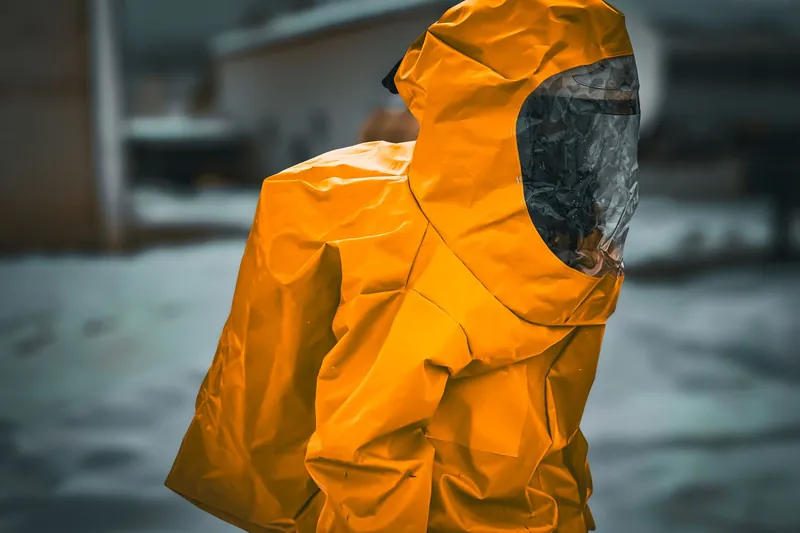
Biohazard Cleanup
Cleanup removes infectious material, including blood and body fluids, and disinfects the property.
See biohazard cleanupGet biological contamination removed from a home, apartment, rental or business near Lassiter Mill. Cleanup can include containment, material removal, disinfection, waste disposal and odor treatment.
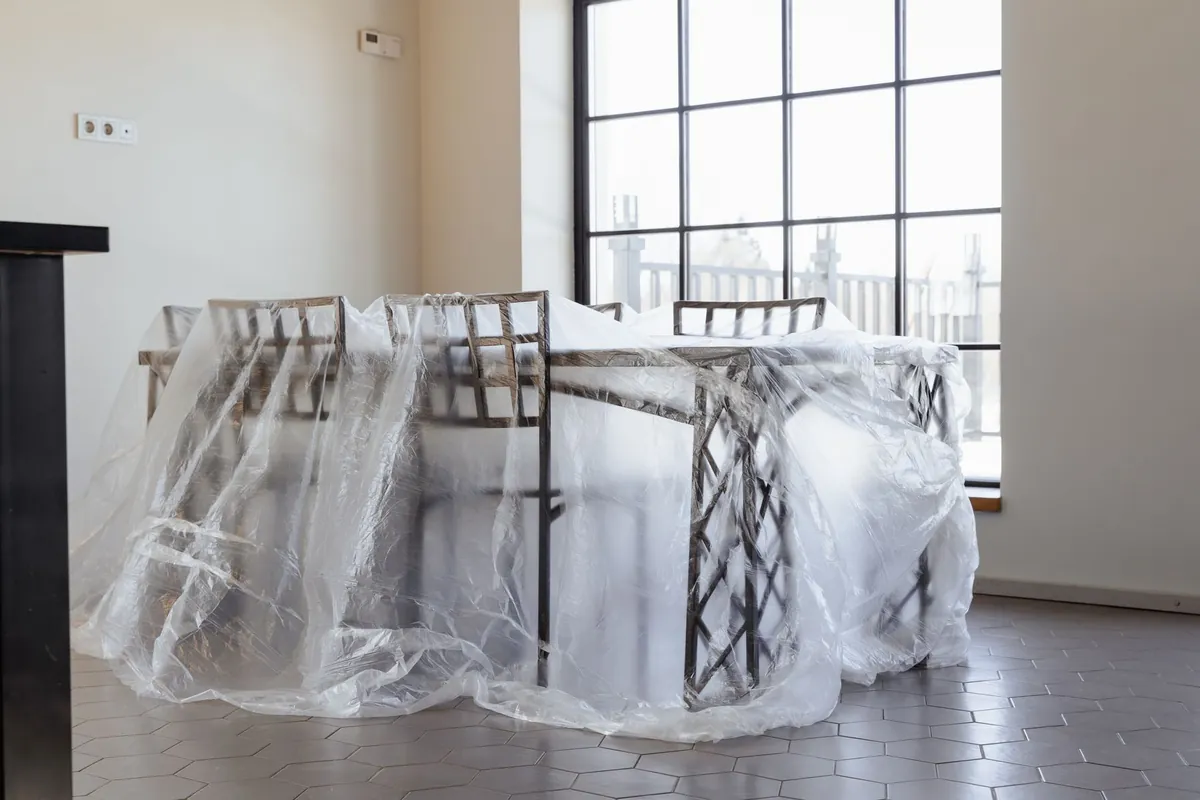
Biohazard remediation is a controlled process that clears biological contamination and returns an affected space to use. It includes surface cleaning and disinfection, disposal of waste and treatment for odor.
A substance is a biological hazard when it may expose people to toxins or harmful microorganisms. Around a property, possible examples are material affected by infectious illness, animal waste, sewage, human waste, bodily fluids and blood. Contamination may penetrate unfinished wood, carpet, padding, drywall seams or another hidden area, which makes this work unlike regular cleaning.
The first part of biological remediation is locating every affected area. Work may then involve containment, cleaning, removal, disinfection and treatment for odor. An EPA-registered disinfectant stays on cleanable surfaces for its labeled contact time. Any porous material that cannot be completely disinfected is packaged, removed and disposed of according to applicable state rules. Only after removing the source does odor control begin.
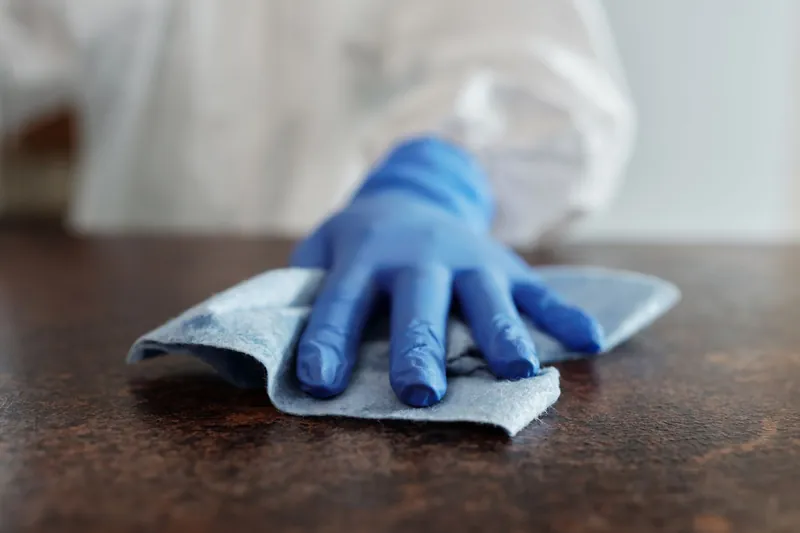
You may mark keepsakes and essential documents before workers move belongings. Separate the contents according to whether they are clean, can be cleaned or cannot be cleaned.
Ask a biohazard remediation company to identify impacted areas, items to clean or remove and repair work that may follow remediation. Ask biohazard remediation companies which cleanup technicians go into the affected zone and who defines the project scope.
Unmarked vehicles are used when crews arrive. Ask how crews plan to manage parking, entry and material movement around staff, tenants or nearby residents.
When explaining the loss and completed remediation to a landlord, adjuster or property manager, records may include photos, scope details, invoices and waste documents.
Remediation is appropriate if a biological contaminant may present a touch hazard, extends past a small cleanable spot or has penetrated porous material. When an emergency response or law enforcement activity is ongoing, leave the area alone until its release. Because the required scope varies with each event, common situations include:
Blood or bodily fluids can move beneath flooring, behind baseboards and into upholstery. The visible mark may be only part of the affected area.
Once law enforcement has released the scene, biological cleanup may address odor left behind, contaminated contents, blood and bodily fluids inside the property.
The effects of an unattended death may reach walls, furniture, floors, subfloor and the air indoors. Personal belongings are sorted carefully during the cleaning process.
Controlled removal may be necessary for sharps, spoiled food, human or animal waste and contaminated personal property in hoarding environments.
Your first step is to prevent contact with the affected area. A few simple actions can limit exposure and avoid spreading contamination into clean rooms:
Call (888) 351-0904Published biohazard cleanup pricing covers a wide span because the conditions of every affected area differ. The typical national figures reported by Fixr are $3,000 to $5,000. Yelp reports a residential average of $1,800 to $4,500. An assessment determines the real scope. In its pricing guide for biohazard cleanup, Aftermath publishes a broader span of $1,000 to $15,000.
These ranges come from published national cost guides, not from a site visit. An on-site assessment determines your property's price, which is explained to you before the cleanup starts.
Ask about cost: (888) 351-0904Insurance may cover biohazard remediation if your policy covers the event that caused the loss. Since exclusions, deductibles and coverage differ, payment on your claim can be confirmed only by the insurance company. It may ask you for photographs, disposal records and a scope.
A property owner or business should check the building and liability policies that may apply. Gathering waste records, invoices, cleanup scope details and photos for the claim can be part of insurance assistance.
Report the cause of the contamination, not just the cleanup need. Find out whether the covered loss includes repairs, removal, odor work and disinfection.
Ask the insurer about your deductible, policy limits, exclusions and required records, including whether biological cleanup is treated separately from repairs. Write down the claim number and the adjuster's contact details.
Victims of violent crime can ask the North Carolina Department of Public Safety's Office of Victim Compensation Services about crime scene cleanup, which the program lists among accepted expenses. Insurance is usually checked first.
From the initial assessment, remediation advances into containment. Removal comes next, followed by detailed cleaning and one concluding check. The steps follow the agreed scope and are ordered to reduce both direct contact and cross-contamination. Disinfecting is not a substitute for taking out contaminated material that cannot be cleaned.
The assessment includes involved rooms, surrounding surfaces and routes used for movement. What can be cleaned, what might require removal and which areas need shielding are recorded in the scope.
Barriers separate the work zone from clean space. Crew members use personal protective equipment suited to the exposure and control movement between zones.
Visible material and sharps are collected before surface work begins. Puncture-resistant containers hold sharps, while affected absorbent items receive separate packaging.
When contamination penetrates materials that cannot be completely disinfected, removal can include carpet, padding, insulation, drywall, upholstered contents or subfloor sections.
Remaining surfaces are cleaned to remove soil, then treated with an EPA-registered disinfectant. The product label determines how long the treated surface must remain wet.
Odor treatment follows the removal of sources carrying contamination. Material type, room conditions and occupancy can guide whether HEPA air filtration or another treatment is used.
Workers seal removed material and add labels as required, then route it through the proper stream for medical or hazardous waste. Documentation may show which materials were removed from the property.
The work area receives a final check against the established scope. Photos and cleanup records can support an insurance file before separate repairs replace flooring, drywall or other finishes.
You can call anytime. Your biohazard remediation specialist answers the phone, describes what happens next and works with you on a start time.
Biological contamination presents serious health risks through contact with your skin, splashing, sharps and contamination carried by tools, shoes or hands.
Carpet can carry fluids into padding and subfloor, while unfinished wood and baseboard gaps may also let them spread. Cleaning only the visible surface can leave affected material in place.
Some blood may carry bloodborne pathogens. Careful cleaning and disinfection remain necessary for dried blood because surface-bound hepatitis B can last at least seven days, according to the CDC.
Contaminated porous materials, sharps and other waste must be separated, packaged and moved according to the rules that apply to the material and location.
Can you clean it yourself? If a non-porous hard surface has only a few drops, prevent access, put on disposable gloves and apply an EPA-registered disinfectant for every minute directed on its label. Professional cleanup is appropriate if contamination involves sewage or sharps, enters fabric, carpet, drywall or bare wood, or spreads past boundaries you can identify.
An item may stay when it is non-porous and every affected part can be accessed, cleaned and disinfected. Absorbent items might have to come out if contamination has penetrated their surface.
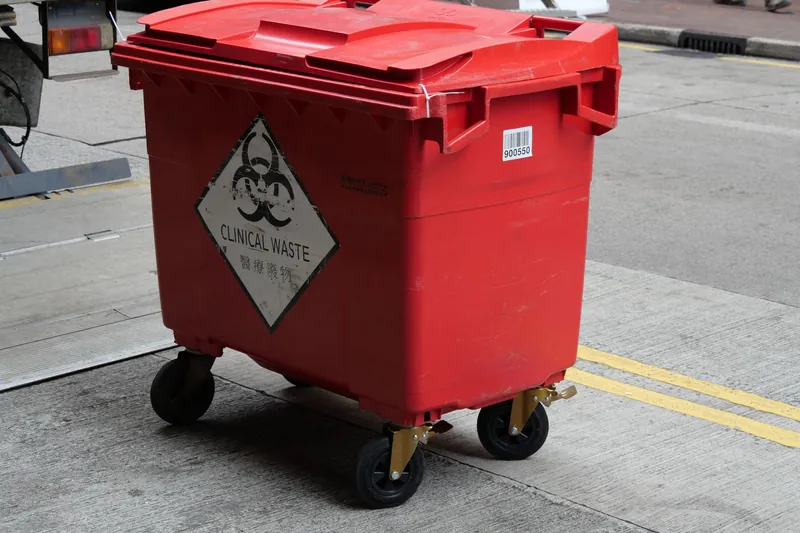
Where occupational blood contact may happen, the OSHA Bloodborne Pathogens Standard, 29 CFR 1910.1030, requires worker training, exposure controls, protective equipment and proper handling.
Use an EPA-registered disinfectant intended for that purpose. First remove soil through cleaning, then keep the surface wet throughout the product label's full contact time.
North Carolina treats soaked materials from a biohazard scene as medical waste. Rules from the state Department of Environmental Quality's Solid Waste Section control how it is packaged, stored, transported and treated, so it cannot go in household trash.
North Carolina uses a statewide medical examiner system run by the Office of the Chief Medical Examiner, with county medical examiners appointed in each county. Cleanup starts after police or the medical examiner release the scene.
Biohazard remediation takes no fixed amount of time. Its duration depends on what the contaminant is, where it spread, which materials it affected, waste volume, drying and contact-time needs, and whether concealed areas need opening.
The full biohazard remediation guide covers what is cleaned or removed, odor and air quality work, and the rules that apply in your state.
Read the full biohazard remediation guideLocal population patterns, housing and site access may affect how containment and cleanup are planned.
The approximately 2.8 mile trip to Rex Hospital matters when an injury must be assessed before anyone returns to the affected space.
Lassiter Mill is near Williamsborough Square, clark-and-gordon-smith-iii, and Millstream, which can matter when family members are arriving from surrounding communities.
The Wake County location helps orient travel, while the neighborhood and full address identify where private cleanup work actually occurs.
Your phone conversation can include questions about service in nearby ZIP codes and communities.
Cleanup removes infectious material, including blood and body fluids, and disinfects the property.
See biohazard cleanup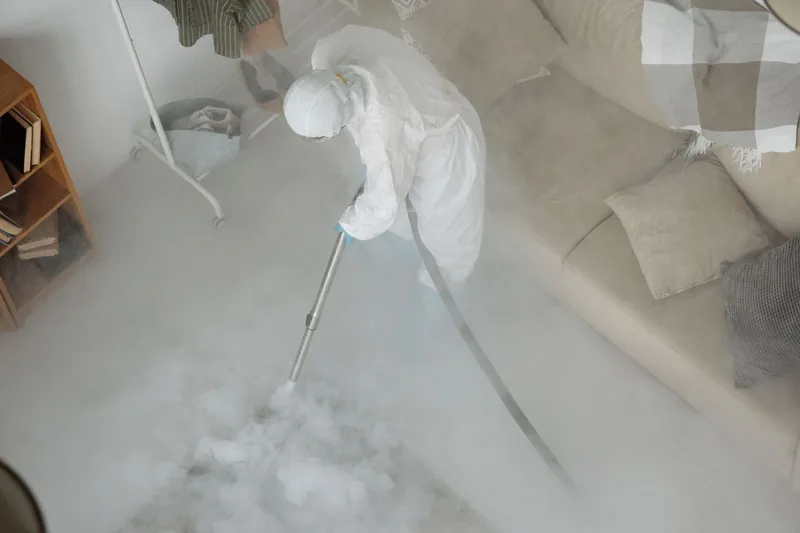
After exposure to infectious or hazardous material, the air, room and surfaces are fully decontaminated.
See biohazard decontamination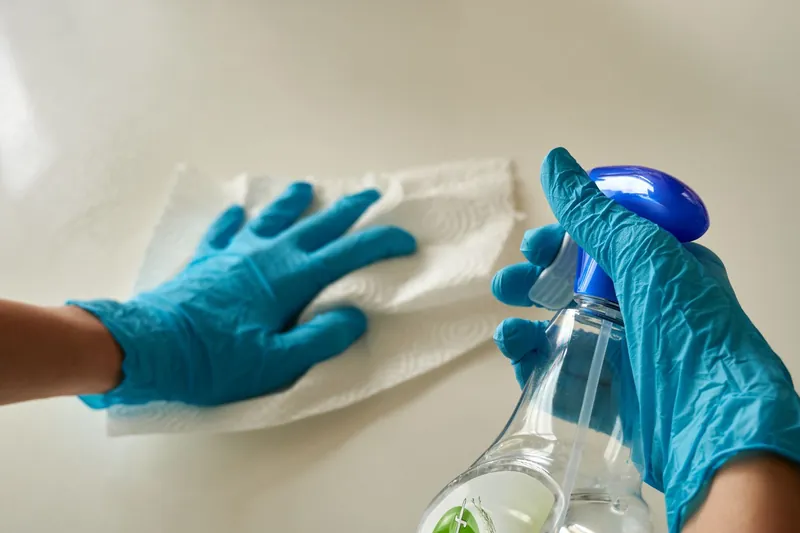
Walls, carpets, furnishings and hard floors receive blood cleanup, with safe disposal afterward.
See blood cleanup
Cleanup that controls hepatitis B, hepatitis C and HIV exposure from blood.
See bloodborne pathogen cleanup
Bodily fluid cleanup removes fluids and disinfects affected areas in businesses, homes and care settings.
See bodily fluid cleanup
After the property is released by police, crime scene cleaning removes blood and controls odor.
See crime scene cleanup
Decomposition cleanup and odor control are needed after a death goes unnoticed for several days.
See unattended death cleanup
Raw sewage cleanup treats Category 3 black water and includes both drying and disinfection.
See raw sewage cleanupPublished guides vary widely. Fixr places the typical national range at $3,000 to $5,000, while Yelp puts the residential average between $1,800 and $4,500. Scope depends on contaminant type, area extent, impacted surfaces, waste disposal needs and whether testing follows cleaning.
No. Chemical irritant residue comes from tear gas and pepper spray, while biohazard remediation addresses sewage, other biological matter, blood and bodily fluids. Chemicals may require hazardous materials remediation, which is also known as hazmat remediation. The biological process used in a vehicle is called vehicle biohazard remediation. Sewage remediation differs from mold remediation, though wet material following a backup can develop mold.
Any material that may cause human exposure to harmful microbes or toxins is a biological hazard. Building-related examples include animal waste, some infectious-disease contamination, human waste, sewage, blood and bodily fluids. Material type, exposure path, affected surface and degree of spread determine the risk.
You may manage a few newly spilled drops on a non-porous, hard surface with disposable gloves while using an EPA-registered disinfectant exactly per its label. Seek professional cleanup for unknown material, possible exposure, sewage, sharp objects, contamination inside porous surfaces or spread beyond the edges you can see.
A homeowners policy may cover cleanup when the event that caused the contamination is covered. Deductibles, exclusions and policy limits differ. Report the cause to your insurance company and ask specifically about contaminated material removal, disinfection, odor treatment, waste disposal and repairs. Keep the claim number and insurer-requested records.
When all affected surfaces can be reached, hard furniture with a sealed finish may be suitable for cleaning and disinfection. Upholstered or absorbent items may need removal if contamination entered the material. Photos, important papers and mementos can be sorted with you outside the work area before disposal choices are made.
Respectful, discreet biohazard remediation is available 24 hours a day, and crews arrive in unmarked vehicles.